


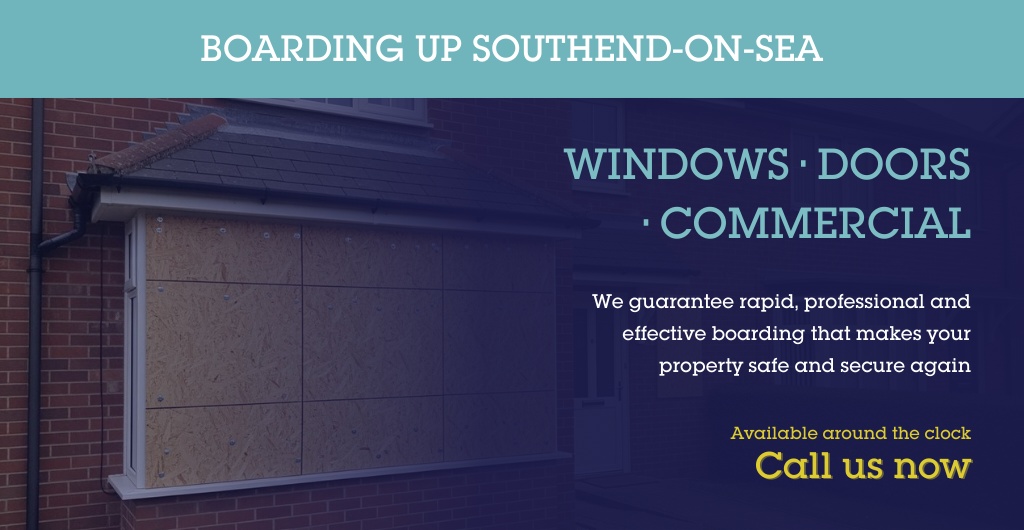
Vacant Property Boarding Up in Southend-on-Sea (SS0–SS22)
A vacant property can go from “quiet” to “at risk” very quickly—especially after a change of tenancy, a probate situation, building works, or a break-in. If you need vacant property boarding up in Southend-on-Sea, we help owners, landlords, agents and facilities teams secure property across the SS postcode area with practical, insurance-friendly methods.
If you need help urgently (including out of hours), call 01702 967 571. We’ll ask a few quick questions, explain the safest option for the building, and give you a realistic ETA based on current workload.
We’ve been trading for 10+ years, we’re fully insured, and our technicians are DBS-checked.
Why vacant properties in the SS area need securing quickly
Empty buildings attract attention. Even where there’s no visible damage, a vacant house, flat, shop or unit can be an easy target for:
- Opportunistic entry through a rear door, side gate or weak window
- Vandalism (including a smashed window that becomes a wider opening overnight)
- Squatting attempts
- Copper/metal theft and internal stripping
- Weather exposure after small failures (a slipped panel, broken skylight, or storm damage)
The biggest issue is often speed. A single broken pane can escalate into water ingress, damp, mould growth and further damage—long before the next contractor is scheduled.
If you’re unsure what’s best, you can also read what boarding up is and when it’s used.
Typical vacant property scenarios we’re called out to
Vacant property work is rarely “one-size-fits-all”. Below are common scenarios we see across Southend-on-Sea and the wider SS region, with what usually needs doing.
Between tenancies (landlords and letting agents)
A property becomes vacant for a few days or weeks while you:
- complete inspections and repairs
- redecorate
- arrange viewings
- wait for new tenants to move in
Even short void periods can justify temporary boarding on vulnerable ground-floor windows or a weak rear access point—particularly if the building is clearly empty.
For domestic openings, our window boarding in Southend-on-Sea is often the fastest and most economical way to prevent entry and reduce the chance of further damage.
Probate and long-term empty homes
Probate can leave a house unoccupied for months. Common issues include:
- older timber frames that don’t close properly
- previously “stuck shut” windows that can be forced
- doors with tired locks and misaligned frames
In these cases we’ll talk you through whether boarding up is enough or whether a temporary steel door is more appropriate for the main entrance (especially if there’s already been an attempted break-in).
Vacant commercial units (shops, offices, light industrial)
Empty commercial premises can be targeted because:
- there are larger panes of glazing
- there’s often a visible, accessible frontage
- the building can look unmonitored at night
If you need a shopfront boarded up after damage or as a precaution during a void period, our team can secure wider openings and plan fixings to reduce tampering risks: shopfront boarding.
Post-burglary void (damage + no immediate replacement)
Sometimes the property is made vacant because of the incident—doors kicked in, glazing smashed, frames compromised. In that situation you may need immediate emergency boarding up to stabilise security while you organise permanent repairs.
If this is your situation, see help after a burglary. If you need help tonight, call 01702 967 571.
Building works and renovations
During refurbishments, openings are sometimes left temporarily insecure:
- back doors removed
- windows taken out awaiting new units
- internal works leaving access routes exposed
Boarding can be fitted as a controlled, temporary measure to keep the site secure and reduce weather exposure until the next trade arrives.
Fire, flood or accidental damage leaving the building unoccupied
After an incident, the property may be unsafe to occupy even if the structure remains. We can make safe openings so you can focus on the next steps with your insurer and contractors.
Relevant guidance:
- fire damage securing (note: we secure the property; smoke/odour remediation is outside our scope)
- flood damage securing (frames can swell; we’ll advise on the safest fixing approach)
- accident damage securing
How we secure a vacant property (what we actually do on site)
Vacant property boarding is about creating a physical barrier that’s hard to remove from outside, while avoiding unnecessary damage to the building wherever possible.
1) Quick assessment: the opening, the frame, and the risk
On arrival we’ll assess:
- what’s failed (glass only, frame damage, door leaf split, hinges pulled, etc.)
- whether non-destructive fixing is feasible
- whether the property will be unattended and for how long
- access and safety considerations (especially for upper floors or rooflights)
If the frame is too damaged for non-destructive methods, we’ll explain options before proceeding.
2) Choosing the right material: plywood vs OSB
We commonly use:
- 18mm exterior-grade plywood for stronger, more durable protection—often preferred for vulnerable ground-floor openings and longer void periods
- 12mm OSB for smaller openings or short-term needs where appropriate
We’ll recommend based on exposure, opening size, and how long you need the property secured. The goal is reliable security without over-specifying.
3) Fixing method: security first, but mindful of the building
Where possible, we use methods designed to reduce removal from outside:
- anti-tamper fixings where appropriate (important when the property will be unattended)
- internal bracing/through-fixing for certain window types and larger apertures
- careful placement to avoid cracking remaining glass or splitting sound timber
For doors, if boarding alone isn’t sufficient, we may recommend door boarding or a temporary steel door solution depending on the site risk and duration.
4) Ventilation and weather considerations
A vacant property still needs to “breathe” in many cases, particularly after flood or where damp is already present. We’ll flag when:
- sealed boarding could trap moisture
- partial ventilation is advisable
- a different approach would reduce condensation risks
(We’re there to secure the building—ongoing damp management is usually handled by your maintenance contractor, surveyor or insurer-appointed team.)
5) Documentation for peace of mind and insurance
When requested, we can provide:
- time-stamped photos of the secured elevations/openings
- an itemised invoice
- a brief work statement describing materials and fixings used
If you’re dealing with an insurer, our insurance claims guidance explains what to keep and what information is typically helpful. We’re not loss adjusters, but we can support you with clear documentation.
Options for short voids vs long voids
Different vacancy lengths usually call for different solutions.
Short void periods (days to a few weeks)
- Target the most vulnerable openings (often ground floor and rear access)
- Use robust boarding on damaged glazing
- Keep the solution practical and removable when contractors arrive
This is typically temporary boarding aimed at preventing opportunistic entry.
Longer void periods (weeks to months)
- Consider higher-resistance options on primary access points
- Use anti-tamper fixings more consistently
- Where needed, upgrade doors with a more secure temporary solution rather than repeated re-boarding
If you manage multiple properties, consistency matters—clear documentation, repeatable methods, and predictable handover notes.
Vacant property security: what to do right now (practical steps)
If you’ve just discovered a break-in, damage, or open access on a vacant property:
- If there’s an active crime or immediate danger, call 999. If it’s already happened, report via 101 and keep the reference number.
- Don’t enter if you suspect someone is inside or if the building looks structurally unsafe. Wait for police advice.
- Take photos if safe—broken locks, a smashed window, tool marks, and any vehicle impact damage.
- Call us to secure the property: 01702 967 571. Tell us:
- property type (house/flat/shop/unit)
- which openings are affected (front door, rear door, bay window, etc.)
- whether the site will be unattended overnight
- Contact your insurer early if you’re claiming. Ask what documentation they want and whether they have approved contractors for glazing/lock replacement.
If you need urgent help, our emergency boarding up service is designed for exactly this kind of call—calm, practical, and focused on making the property secure.
Vacant property boarding up for landlords, agents and facilities teams
We regularly work with:
- landlords and letting agents managing voids
- estate agents overseeing probate sales
- facilities managers responsible for empty commercial units
- contractors who need temporary security during works
What you can expect from us:
- clear communication on options and limitations
- sensible material choices (not overkill, not under-specified)
- paperwork suitable for maintenance records and insurance files
If you’re arranging access (keys, lockbox, tenant handback), call us first and we’ll confirm what we need to attend smoothly.
Where we cover (SS0–SS22)
We cover Southend-on-Sea and the wider SS postcode region. For local pages, see:
- boarding up in Southend-on-Sea SS0
- boarding up in Westcliff-on-Sea SS0
- boarding up in Shoeburyness SS3
If your vacant property is elsewhere in SS0–SS22, call 01702 967 571 and we’ll confirm coverage and a realistic attendance window.
FAQs: vacant property boarding up in Southend-on-Sea
Can you board up a vacant property the same day in Southend-on-Sea?
Often, yes—but it depends on workload, time of day, and the type of opening. We don’t promise fixed arrival times. If you call 01702 967 571 we’ll give you a realistic ETA and prioritise urgent “open to the public” risks.
Is boarding up covered by insurance for vacant properties?
Sometimes. Cover depends on your policy, vacancy period, and the cause of damage (e.g., burglary or storm). We recommend contacting your insurer as early as possible. We can provide photos and an invoice to support a claim—see insurance claims.
What’s the best way to secure a vacant property after a break-in?
Usually a combination of:
- boarding the damaged opening (window or door)
- using anti-tamper fixings where appropriate
- considering a stronger door solution if the main entrance has been forced
If you’re dealing with a burglary incident, burglary repairs and boarding explains the typical next steps.
Will boarding damage the window frames or brickwork?
We aim to minimise damage and will use the least invasive method that still secures the building properly. If the frame is already compromised, some additional fixing may be unavoidable to make the opening safe—if so, we’ll explain before proceeding.
Can you board up large openings like commercial glazing and shopfronts?
Yes. Larger apertures need stronger materials, careful measuring, and secure fixing patterns. If you need a shopfront boarded up, see shopfront boarding.
Do you provide temporary steel doors for empty properties?
We can advise on door security options for vacant properties, especially after forced entry or where repeated attempts are likely. In many cases we start with door boarding and escalate to stronger measures when needed.
How long can boarding stay in place on a vacant property?
Boarding can remain for days, weeks, or longer depending on exposure and how it’s installed. If the property will be empty for an extended period, tell us—materials and fixings should match the real-world duration and risk.
I’m a landlord with a void property in SS1/SS2—can you secure it out of hours?
Yes—if you need out of hours help to board up a door or board up a broken window, call 01702 967 571. We’ll confirm availability and talk through access arrangements.
Next step: secure your vacant property
If you need vacant property boarding up in Southend-on-Sea—whether it’s a quick void between tenants or a longer-term empty building—call 01702 967 571 or email us. We’ll advise on the safest, most practical way to secure the property and provide clear documentation if needed.
